Rough Construction Cleaning: The First Clean on a Build
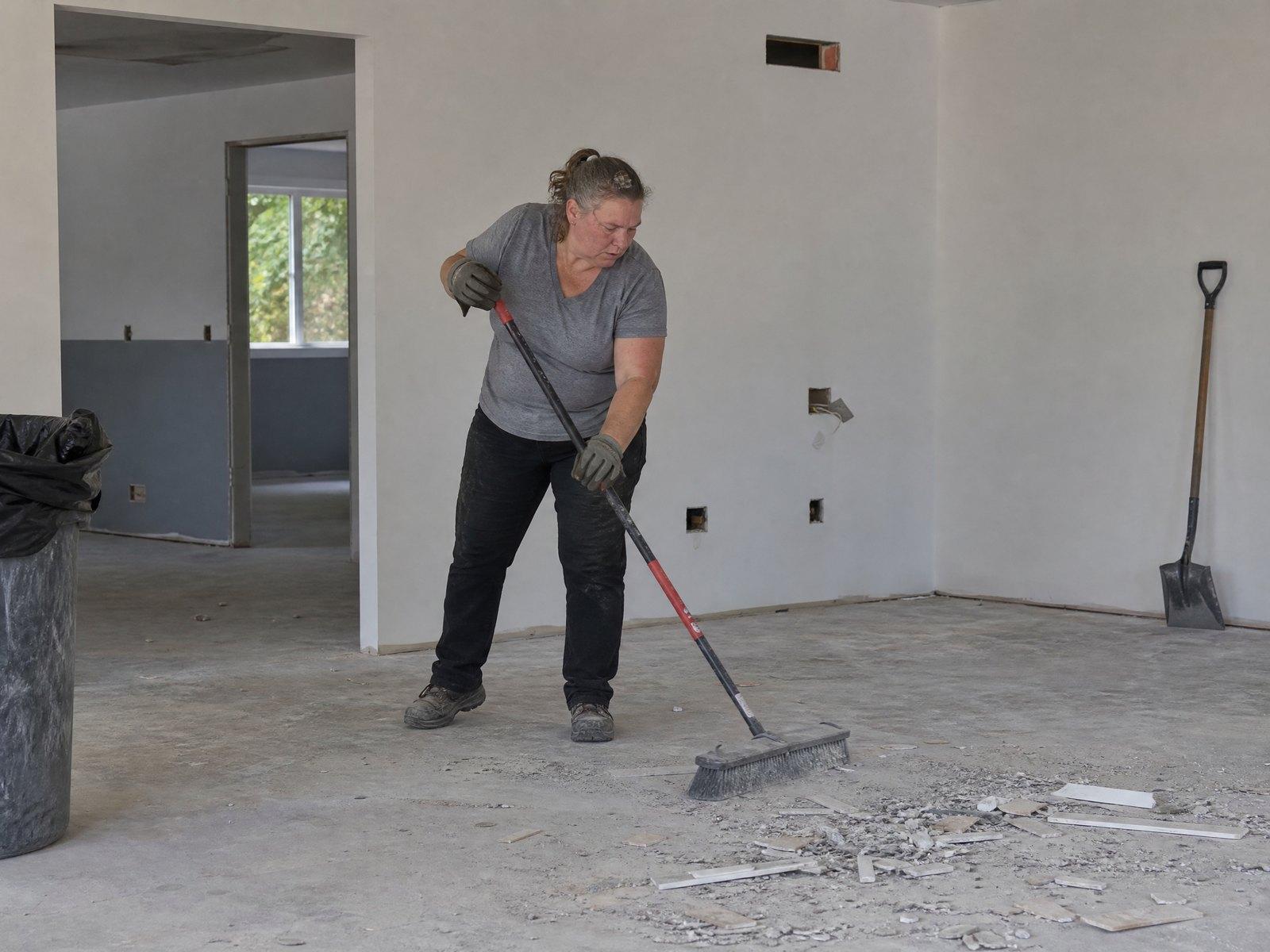
A rough construction clean is the first cleaning pass on a job, done after drywall, framing, mudding and paint have left their mess and before the finishing trades arrive. It clears debris, bulk dust and spatter so floors, millwork, flooring crews and electricians are not working in the previous trade's waste.
Describe the job and add your city. Free to request, no obligation.
The goal of this phase is not a shine. It is a clean working surface. Crews remove scrap, sweep and vacuum with HEPA-filtered equipment so fine drywall dust is captured instead of pushed into the air, and wipe the heaviest layers from ledges, sills and floors. Doing it early stops fine dust from settling into finishes that go in later.
Because it is paired with a later final clean, the rough clean is scheduled to the construction programme. Your superintendent knows when drywall is done and what is next, and the quote should say how the visit is booked around that.
What the work includes
- Removing scrap drywall, packaging, tape ends and loose debris to the bins you provide
- HEPA vacuuming of floors, ledges, window sills and horizontal surfaces
- Dry and damp wiping of heavy dust from walls, trim and fixtures where accessible
- Scraping spatter of paint and joint compound from floors and glass where safe
- Cleaning inside cabinets, closets and built-ins before doors and hardware go on
- Sweeping and vacuuming stairwells, mechanical rooms and corridors
- Basic wash of floors to remove tracked-in residue
- Walkthrough notes on areas the trades need to finish or protect
When the rough clean should be booked
Drywall sanding and mudding are done and fine white dust covers every surface
Painters have finished the first coat and spatter is on floors and glass
Scrap and packaging are blocking access for the next trades
Flooring, millwork or cabinet installers are about to start in the area
Dust is spreading from the work zone into clean areas or occupied floors
The owner or inspector is arranging an interim walkthrough
How the work goes, step by step
Send the project details
Share the address, floor area, trade schedule, drawings or photos and what has been completed so far.
Written phase plan
You receive a scope for the rough clean and how it ties to the final clean and touch-up.
Site requirements
Site orientation, safety gear and access rules are confirmed before the first visit.
The rough clean
Debris is removed, surfaces are HEPA vacuumed and the area is left ready for finishing trades.
Handover note
A short note on what was done and what the trades should protect or finish before the next phase.
What changes the price
- Floor area
- Most rough cleans are priced per square foot, so the footprint of the project sets the starting point.
- Amount of dust and debris
- Heavy sanding, a messy demolition or a tight schedule that left trades piled up work add hours.
- Debris removal and hauling
- Whether the crew loads out to your bin or hauls to their own changes the labour involved.
- Floor types and finishes already installed
- Protected finished floors need careful methods, while bare concrete can be cleaned more aggressively.
- Phasing and access
- Several small visits across floors cost more than one clean sweep of the whole area.
What a good quote spells out
- The specific tasks in the rough clean, listed, not just rough clean included
- HEPA-filtered vacuums named in the scope, with how dust is controlled
- Who provides bins and takes away the waste
- How the visit is timed around drywall, paint and flooring trades
- How the quote ties to the final clean and what is not covered by it
Phase 1 — Rough Clean: questions people ask
What is a rough clean in construction?
It is the first cleaning pass after the heavy trades finish, removing debris and bulk dust so finishing work can begin. It comes before the final clean and the pre-occupancy touch-up.
Is a rough clean the same as debris removal?
Not exactly. Debris removal takes scrap and waste away. A rough clean includes that, plus vacuuming and wiping the dust left behind.
Does a small renovation need a rough clean?
Not always. On a small job a single post-construction clean may be enough. The quote can show both options.
Why use HEPA vacuums on drywall dust?
Drywall dust is very fine, and ordinary vacuums can send it back into the air. HEPA filtration captures it, which keeps finished surfaces cleaner and the air clearer for later trades.
Other Novaclair services
Construction Project Hitting Final Phases? Let's Schedule the Cleans.
Tell us about the project and add drawings, photos or your schedule if you have them. We review every request, and a specialist who serves your area follows up in writing with a phase plan and a free quote.
Request a free quote →